
Choosing a CPAP can feel oddly technical for something that’s meant to make sleep easier. The good news is they can narrow it down fast by focusing on comfort, therapy features, and what support is available in Australia.
This guide explains how to choose the best CPAP machine for real-world needs in 2026, without getting lost in specs.
What should they decide first when choosing a CPAP?
They should decide whether they need a fixed-pressure CPAP or an auto-adjusting APAP. For most Australians starting out, an APAP is simpler because it adjusts pressure throughout the night.
They should also decide if travel matters, if noise sensitivity is a concern, and whether they want smartphone tracking. Those choices eliminate most of the market quickly.
How do they know if they need CPAP or APAP?
APAP is usually the safer default when they are unsure, because it automatically responds to changing airway needs. CPAP can still be ideal when they have a stable, prescribed pressure and want a simpler setup.
If their sleep physician has provided a specific pressure, they can still use APAP set to a narrow range. For many, that balance delivers comfort while staying clinically aligned.
Which settings matter most for comfort in 2026?
Ramp and expiratory pressure relief matter most because they change how breathing feels. Ramp eases them into therapy, while pressure relief reduces pressure slightly as they breathe out.
Heated humidification is also a major comfort feature in Australia, especially through dry winters or in air-conditioned bedrooms. If they wake with a dry mouth or nose, humidification is often the fix.
What makes the best CPAP machine for quiet sleepers?
Quiet sleepers should prioritise low operating noise and stable airflow delivery. In practice, the mask and leaks create more noise than the machine, so fit matters as much as decibels.
They should also look for automatic leak compensation and a well-designed humidifier seal. For a light sleeper, the best CPAP machine is often the one that stays consistent even when they move.
How important is mask choice when selecting a machine?
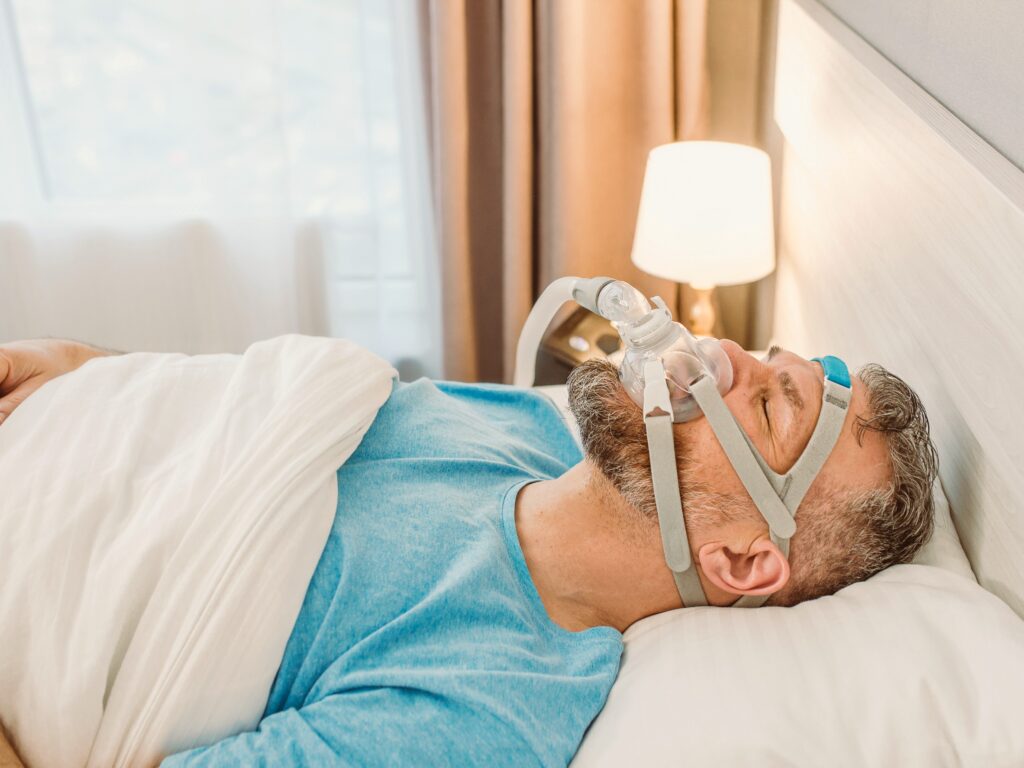
Mask choice is critical because comfort and seal determine whether therapy works. A great device can still fail if the mask leaks or feels claustrophobic.
They should choose between nasal pillows, nasal masks, and full-face masks based on breathing habits and congestion. When someone is chasing the best CPAP machine, the “best” outcome is usually driven by the right mask more than the right brand.
What should they check about humidifiers and heated tubing?
They should check whether the humidifier is integrated, easy to fill, and easy to clean. An awkward water chamber often leads to inconsistent use, which undermines results.
Heated tubing helps prevent condensation, which is common on cold nights in places like Melbourne, Canberra, and inland NSW. For many, this is the comfort upgrade that makes the best CPAP machine feel genuinely effortless.
Read more at: Buy CPAP Machines Online What You Should Know
Do they need a travel CPAP, or is a standard machine enough?
A standard home machine is usually enough if they only travel occasionally. Modern full-size units are lighter than before and often fit easily into a carry bag.
They should consider a travel CPAP if they fly frequently, camp often, or want a dedicated backup. In Australia, they also need to think about power options for regional trips, including battery compatibility.
What data features should they expect in 2026?
They should expect basic nightly reports and optional app connectivity. Useful data includes AHI, leak rate, usage hours, and pressure trends.
They should be cautious of treating data like a scorecard, though. If they are selecting the best CPAP machine, the best data is the kind that helps fix problems, not the kind that adds stress.
How do they match a machine to their sleep study and prescription?
They should confirm the diagnosis type, severity, and any notes about oxygen levels, positional apnoea, or REM-related events. Those details influence whether APAP ranges and comfort settings need more careful tuning.
If they have complex sleep apnoea, COPD, or suspected hypoventilation, they should not self-select a standard device. In those cases, their clinician may recommend bilevel or more specialised therapy rather than the best CPAP machine in the consumer sense.
What should they look for in Australian warranty and support?
They should look for an Australian warranty handled locally and access to parts like filters, humidifier chambers, and tubing. Quick replacements matter because downtime often means therapy stops.
They should also check if the supplier offers mask fitting support and a trial or swap period. For many buyers, the best CPAP machine is the one backed by responsive local service, not the one with the longest feature list.
How much should they budget in Australia in 2026?
They should budget for the machine, mask, tubing, filters, and ongoing replacements. A realistic total cost is often higher than the headline machine price.
They may be able to claim rebates through private health extras depending on their policy. If cost is tight, they should prioritise comfort features and mask fit first, because that is what drives long-term use of the best CPAP machine.
Which features are genuinely worth paying for?
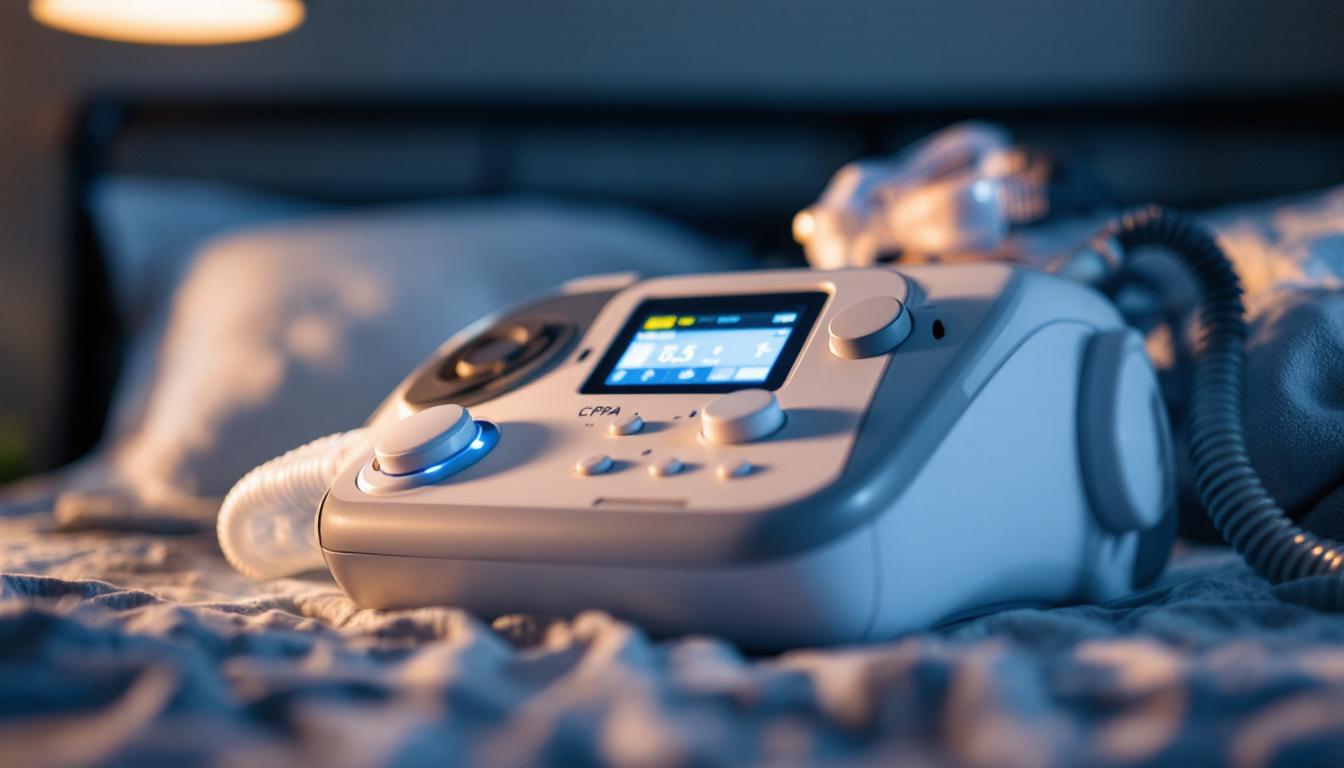
Auto-adjusting pressure, humidification, pressure relief, and a comfortable mask ecosystem are worth paying for. These features directly affect adherence and day-to-day comfort.
Premium apps and extra coaching features can help some people, but they are not essential. The most valuable upgrades are the ones that reduce dryness, leaks, and the feeling of “fighting” the airflow.
What are common mistakes when choosing a CPAP?
A common mistake is buying based on price alone and ending up with a machine they avoid using. Another is ignoring mask fit and blaming the device for leaks, noise, or discomfort.
They also often forget ongoing costs like filters and mask cushions. If they want the best CPAP machine, they should avoid rushing the purchase without a proper fitting and clear return options.
Other Resources : Factors Affecting Patients’ Adherence to Continuous Positive Airway Pressure Therapy for Obstructive Sleep Apnea Disorder: A Multi-Method Approach
How can they shortlist the best CPAP machine options quickly?
They can shortlist by answering five questions: Do they need APAP, do they need humidification, do they breathe through their mouth, do they travel often, and do they want app tracking? Most models fall away once those are answered.
Then they should compare noise, ease of cleaning, availability of parts in Australia, and support. By that point, the best CPAP machine is usually one of two or three practical choices.
What does a sensible “review” checklist look like for 2026 models?
They should review machines using the same checklist, not brand reputation. That keeps the comparison fair and focused on lived experience.
A solid checklist includes:
- Comfort features: ramp, pressure relief, humidifier control
- Usability: screen clarity, water chamber design, cleaning access
- Therapy stability: leak handling, event detection, consistent airflow
- Practicalities: size, travel case, power options, filter availability
- Local support: Australian warranty, spare parts, mask compatibility
This approach helps them choose the best CPAP machine based on outcomes, not marketing.
How do they know they chose well after the first two weeks?
They chose well if they can fall asleep without dreading the mask and wake with fewer symptoms. Early improvements often include less morning headache, reduced snoring (as reported by others), and less daytime sleepiness.
If problems show up, they should adjust systematically: fix leaks first, then dryness, then pressure comfort. With small tweaks, the best CPAP machine should feel more natural by week two, not harder.
What is the simplest way to choose the best CPAP machine for their needs?
They should start with an APAP with humidification, then prioritise mask fit and local support. That combination solves the majority of real-world issues Australians face when starting therapy.
If they keep the choice practical, confirm warranty and parts access, and allow for mask trials, they will usually land on the best CPAP machine for them, even without chasing the most expensive model.